Judge’s Absence Delays Soweto’s N70m Suit Against Police Chief
By Emmanuel Daniji

A N70 million fundamental rights case filed by activist Hassan Taiwo Soweto against a senior police officer has been adjourned after the presiding judge was absent from court.
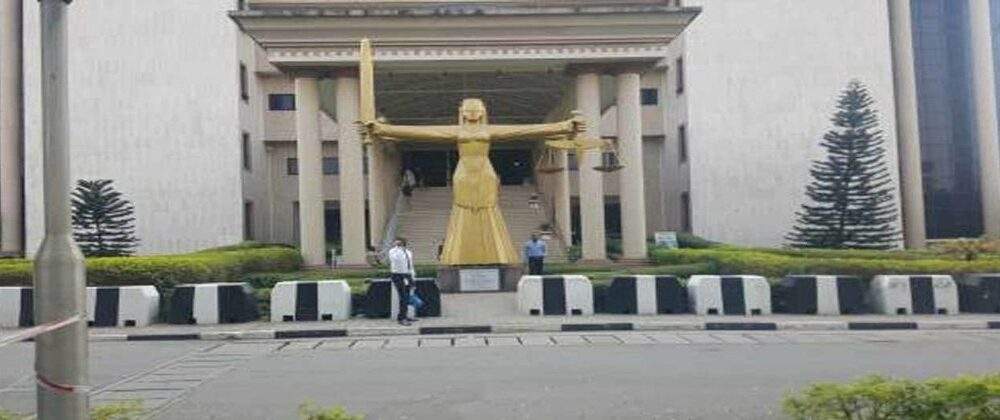
The case, which was scheduled for hearing on Wednesday, October 28, at the Federal High Court in Lagos, could not proceed because Justice F.N. Ogazi was unavailable. The court registrar subsequently fixed November 25, 2026, for the next hearing after consultations with the parties.
Soweto filed the suit against Assistant Inspector-General of Police Jimoh Olohundare Moshood, the Nigeria Police Force and the Police Service Commission, accusing the police chief of violating his fundamental rights during a protest in Lagos.
The incident reportedly happened on January 28, 2026, when residents of Makoko and other waterfront communities protested at the Lagos State House of Assembly over demolitions, displacement and alleged land grabbing.
Soweto, who coordinated the protest, alleged that Moshood ordered police officers to assault him, leaving him with an injury to his lower back.
He is asking the court to award him N70 million in damages. He is also seeking an order directing the police to restrain Moshood in line with modern policing standards.
At the previous sitting, Soweto’s lawyer, Lilian Ogbebor, told the court that attempts to serve Moshood with the court papers had failed twice.
The judge had consequently ordered that the documents be served through the police legal department and fixed October 28 for an update on the process.
Speaking after Wednesday’s adjournment, Ogbebor said the legal team remained committed to pursuing justice. She added that the case was also an opportunity to remind Nigerians that they could approach the courts whenever they believed their constitutional rights had been violated.
Megan Chapman, co-founder of the Justice and Empowerment Initiative, also called on the public to support activists who face threats or attacks while speaking out against injustice and defending the rights of others.
For residents of waterfront communities who have raised concerns about displacement, the case has become part of a wider conversation about citizens’ rights, police conduct and the right to peaceful protest.