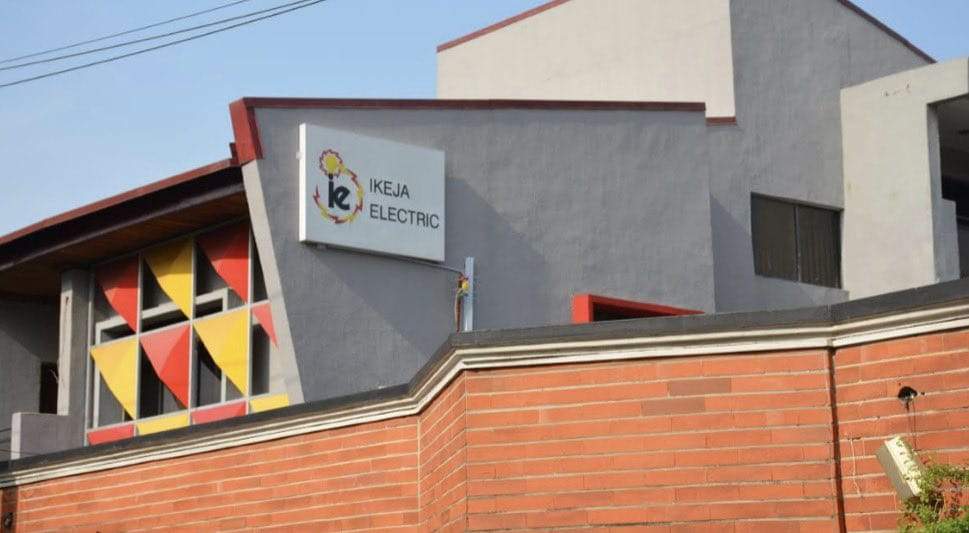
Ikeja Electric Apologize As Power Supply Worsens
By Sherif Salau
Ikeja Electric has issued a formal apology to customers after several of its premium Band A feeders recorded little or no electricity supply over a two-day period.
In a public notice released on Monday, the distribution company acknowledged that it had failed to meet the expected service level on listed Band A feeders for 25 and 26 October. Band A customers, who pay the highest tariffs in the multi-year tariff order, are guaranteed a minimum of 20 hours of supply each day. On the affected feeders, some recorded zero hours on one or both days, leaving households and businesses without power for extended stretches.
The company expressed regret for the inconvenience caused. “We apologise for falling short of the expected minimum service level of 20 hours on the Band A feeders below for October 25th and 26th, 2026,” the notice stated. It is the latest in a series of similar apologies issued by Ikeja Electric in recent weeks as supply shortfalls have become more frequent across parts of its Lagos network.
For many residents and small business owners on the affected feeders, the outages have disrupted daily routines and commercial activity. Customers in the Band A category often rely on the higher service commitment to run offices, shops and household appliances without the constant need for generators. When supply drops to zero for a full day or more, the financial and practical costs rise quickly.
Ikeja Electric has repeatedly attributed reduced supply hours across its network to shortfalls in power allocation from the national grid. The company has cited limited gas supply to thermal power plants and constraints on the transmission system as key factors limiting the volume of electricity available for distribution. Officials say they continue to engage relevant stakeholders in an effort to improve available supply and distribute whatever power is received as equitably as possible.
The recurring shortfalls have renewed questions about the reliability of the Band A classification. Under the regulatory framework overseen by the Nigerian Electricity Regulatory Commission, sustained failure to meet the 20-hour threshold can trigger compensation obligations or a review of a feeder’s band status. Customer groups have previously called for clearer timelines on refunds or free units when the promised service level is not delivered.