
Lagos Advocates For Improved Therapy For Kids, Adults With Disabilities
By Sherif Salau
For many families in Lagos raising children or supporting adults with intellectual and developmental disabilities, the search for consistent therapy and rehabilitation has long been an uphill struggle. Specialists are few, costs run high, and the nearest reliable care is often a long journey away. On Tuesday, that concern was laid squarely before the state’s health authorities.
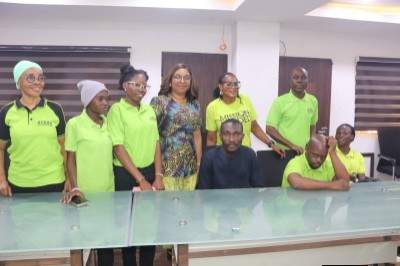
During a courtesy visit by the Association for Intellectual and Developmental Disabilities of Nigeria to the Ministry of Health, Permanent Secretary Dr Dayo Lajide acknowledged the scale of the problem. The shortage of trained professionals, she said, leaves the few available specialists stretched thin across the country. “The key ask in this conversation is how we can improve access to therapy and rehabilitation, how people can have access to better care, and better access to existing care,” Lajide told the visiting team.
She promised a review of previous engagements with the association and said the ministry would work with relevant officials to identify practical steps that could close some of the gaps. Ongoing healthcare infrastructure projects, she noted, already make provision for people with reduced mobility, including wheelchair access. The next task is to examine what existing interventions are delivering and where they fall short.
Lajide also pointed families toward Primary Healthcare Centres for conditions that can be managed closer to home before they escalate into more complex cases requiring tertiary referral. On financing, she advised the association to engage the Lagos State Health Management Agency, noting that persons with disabilities fall within the vulnerable population covered by state health insurance. Some specialised services, such as speech therapy, may still need separate consideration because of their cost.
Mrs Joko Omotola, Director of Programmes at the association, described the daily reality many parents face. Families often cannot afford regular physiotherapy or assistive devices, and those who can must travel long distances to federal specialist facilities. “If we could have therapists available at primary healthcare centres, it would make a significant difference,” she said. She also called for attention to shortages of equipment and rehabilitation personnel in public hospitals, and reminded the ministry that the association had earlier submitted policy recommendations.
Lajide responded with measured openness. Government may not be able to meet every need, she said, but it could offer “some level of support.” Opportunities for collaboration, particularly around medically assessed children who might benefit from donated surgeries and other interventions, would be examined.
The meeting leaves the conversation open rather than closed. For families who have spent years navigating scarce services and high costs, the pledge to review access, strengthen community-level care and explore insurance options offers a measure of hope. Whether that hope translates into therapists at primary centres, more reliable equipment and shorter journeys will depend on how quickly the promised review turns into concrete action.