How Julius Berger, Lagos Water Corp Plan to Keep Taps Running
For a Lagos resident, the consequences of a damaged water pipeline can be painfully simple: the tap stops running, the water vendor becomes more expensive, and an ordinary household begins looking for alternatives.
That is what makes the emerging partnership between Julius Berger Nigeria Plc and the Lagos Water Corporation (LWC) more than a routine corporate engagement. At its heart is an attempt to ensure that as Lagos builds and repairs roads, bridges and other infrastructure, the water systems serving millions of residents are not left vulnerable.
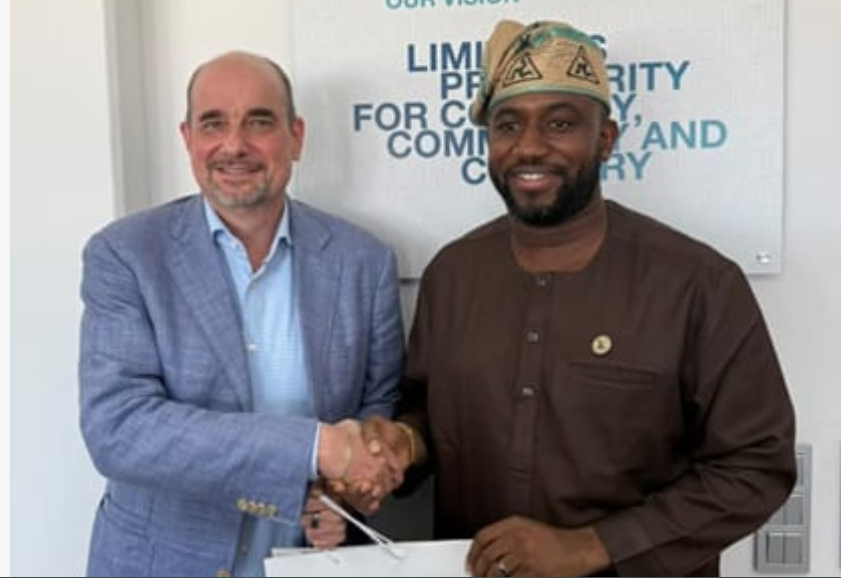
The two organisations recently met in Lagos to explore stronger cooperation on infrastructure development, with particular attention to the relationship between major construction projects and the water pipelines and facilities beneath them.
The significance of the engagement lies in the fact that the two sides operate in different but closely connected parts of the same urban environment. Julius Berger is involved in some of the state’s major construction projects, while LWC is responsible for the water infrastructure that residents depend on daily.
When those two systems collide, the consequences can quickly move from an engineering site into people’s homes.
Previous construction-related pipeline damage in Lagos has shown how disruptive this can be. In 2019, for example, the Lagos Water Corporation linked water supply disruptions in areas including Iyana-Ipaja, Egbeda, Idimu, Dopemu and Agege to damage to a major pipeline during road construction along the Lagos-Abeokuta Expressway.
The latest engagement therefore presents an opportunity to address such challenges before they become emergencies.
Julius Berger’s Regional Commercial Manager, Alexander Bauer, emphasised the importance of stronger relationships between institutions working within the same infrastructure ecosystem. He also indicated the company’s willingness to provide technical support and collaborate with the Water Corporation in areas where their operations intersect.
For LWC Managing Director, Engr. Mukhtaar Temitope Tijani, the meeting offered an opportunity to strengthen professional ties with one of the major construction companies operating in Lagos and create a framework for closer cooperation on future projects.
The discussions touched on road construction, pipeline protection, water infrastructure development, sustainable water supply and the need for better coordination at the planning and execution stages of major projects.
What makes the partnership particularly timely is the pressure already facing Lagos’ water infrastructure.
The state is currently rehabilitating the Iju Headworks and Akute Intake Station under an eight-month project running from February to October 2026. The Lagos Water Corporation says the rehabilitation is intended to improve the efficiency of existing facilities and strengthen potable water supply across the state.
Lagos is also opening the water sector to greater private-sector participation. In May, the LWC announced that it had received 23 bids across four project lots under its Public-Private Partnership initiative for the rehabilitation, upgrading and operation of key water facilities. The move is designed to attract investment and improve service delivery, particularly in communities where access remains inadequate.
At the same time, the Adiyan Phase II Water Project is expected to add about 70 million gallons of treated water to Lagos’ supply capacity when fully operational. The project is part of the state’s wider effort to close the gap between water demand and available public supply.
All of this means that protecting existing infrastructure is becoming just as important as building new ones.
For families, the issue is not about pumps, pipes and construction contracts. It is about whether water will be available when they turn on the tap. For businesses, it can determine how much they spend on alternative water sources and whether they can operate efficiently. For communities, a damaged pipeline can turn a normal day into a search for water.
That is where the Julius Berger-LWC relationship could become significant.
Rather than waiting for construction to damage a pipeline before looking for a solution, closer cooperation could allow both sides to identify vulnerable infrastructure, exchange technical information and plan construction around existing water networks.
The partnership also has an interesting history. Julius Berger was involved in the construction of infrastructure around Carter Bridge, where a water pipeline carried supply from the mainland towards Lagos Island. Years later, the 48-inch pipeline required replacement after the original pipe fell into the water.
That history underscores the central issue facing the latest collaboration: Lagos’ infrastructure systems are interconnected, whether residents see those connections or not.
A new road can improve movement, but it can also affect a pipeline. A drainage project can reduce flooding, but its excavation may encounter existing utilities. A bridge can transform mobility while also carrying essential services underneath or alongside it.
As Lagos continues to expand, the success of infrastructure development will increasingly depend on how well these different systems are planned together.
For residents, therefore, the real test of the Julius Berger-LWC partnership will not be the meetings held behind closed doors or the technical discussions between engineers. It will be whether future construction can deliver better roads and infrastructure without leaving communities asking the most basic question after a project: when will the water come back?