Sanwo-Olu, Fashola Urge Greater Investment in Non-Interest Finance
Lagos State Governor Babajide Sanwo-Olu and former Minister of Works and Housing Babatunde Fashola have called for greater adoption of non-interest finance, describing it as a key driver of economic growth, investment and sustainable wealth creation in Nigeria.
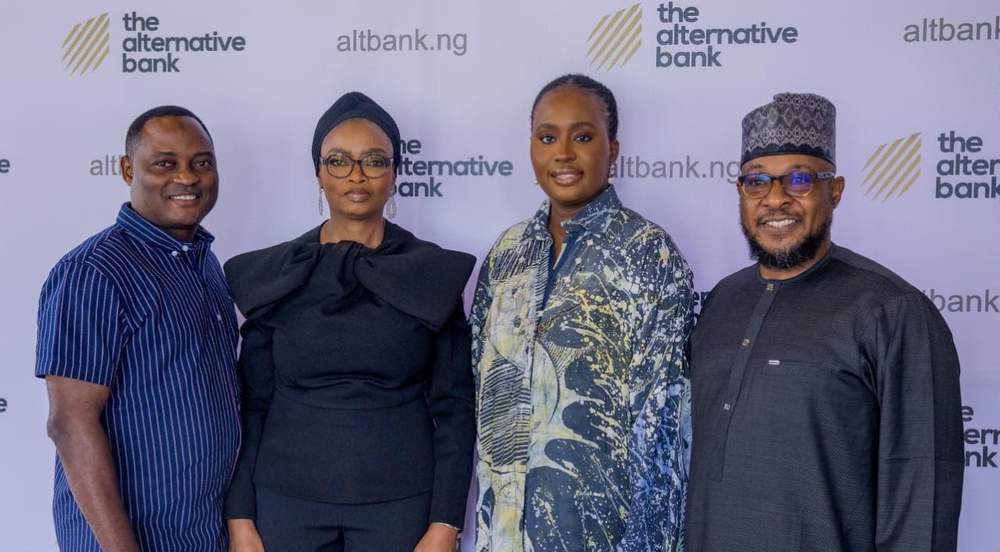
The call was made at the Beyond Interest: Capital, Innovation and the Future of Wealth forum organised by The Alternative Bank in Victoria Island, Lagos.
According to a statement issued by the bank, the forum brought together investors, entrepreneurs, policymakers and institutional leaders to explore the role of non-interest finance in mobilising long-term capital for Nigeria’s productive sectors.
The event, supported by AltDrive and Noor Takaful, featured discussions by public sector officials, capital market experts and advocates of ethical finance.
Speaking at the forum, Chairman of The Alternative Bank, Muhtar Bakare, said Nigeria’s biggest challenge is not the availability of capital but the shortage of long-term investments capable of creating jobs and supporting economic stability.
“What we lack is not effort. We lack capital that stays long enough to turn effort into capacity, capacity into durable jobs and durable jobs into stability. That is why the distinction between extractive and productive capital matters,” Bakare said.
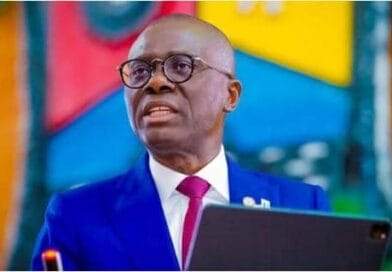
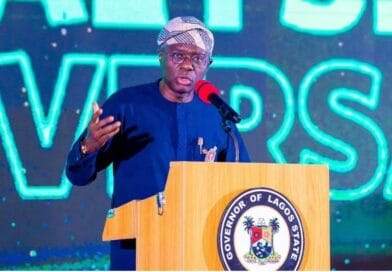
Governor Sanwo-Olu, represented by the Commissioner for Finance, Abayomi Oluyomi, said governments must continue creating an enabling environment for private investment through sound fiscal policies and strategic infrastructure development.
“The future of finance is not only about the price of capital; it is increasingly about the quality of the economic activity that capital enables. Lagos is not only open for business; Lagos is prepared to do business,” he said.
Former Governor Babatunde Fashola also advocated greater investment in non-interest finance, saying capital directed toward productive assets and projects that benefit society creates more lasting value than investments driven solely by short-term profits.
He urged investors and financial institutions to consider the wider economic and social impact of their investment decisions.
Also speaking, Abubakar Suleiman, promoter of non-interest banking in Nigeria and Board Member of Sterling Financial Holdings Company Plc, said The Alternative Bank has grown from a non-interest banking window established by Sterling Bank in 2014 into a financial institution with assets approaching ₦500 billion and nearly one million customers.
He encouraged investors to adopt a “full ledger” approach by measuring investments not only by financial returns but also by their impact on communities, businesses, infrastructure and the environment.
“The Alternative Bank has shown that non-interest banking can grow, win customers and generate profit. The business case for ethical capital already exists. Our task is to apply it with discipline,” Suleiman said.
According to the statement, the bank highlighted its WasteBanc recycling partnership with the Lagos Waste Management Authority (LAWMA) and Nigeria’s sovereign Sukuk programme as examples of ethical finance supporting sustainable development.
The forum also featured presentations by Dr Stanley Jacob, Group Chief, Innovation and Technology at Meristem, and Ajibola Tobi-Osho, Executive Director of Tugrande Alliance Limited, who urged policymakers and investors to improve capital allocation to businesses capable of creating jobs and driving long-term economic growth.