
Tinubu Presses On with Tax Reforms
Atume Terfa
President Bola Ahmed Tinubu has drawn a clear line in the sand, insisting that Nigeria’s long-awaited tax overhaul will take effect on January 1, 2026, despite growing resistance from opposition lawmakers, civil society groups and sections of the public.
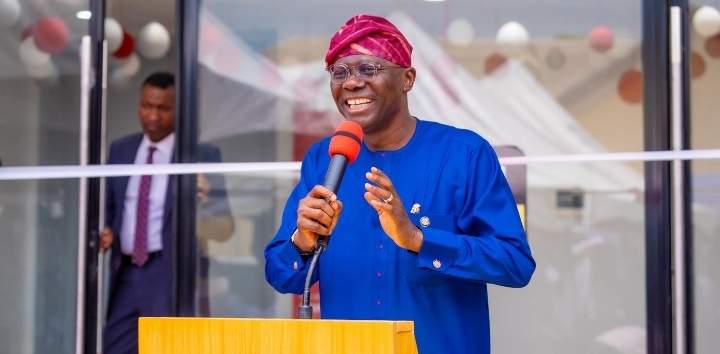
In a personally signed statement released on December 30, 2025, the President described the reforms as a “once-in-a-generation opportunity” to reset Nigeria’s fiscal architecture. According to Tinubu, the new tax regime is not designed to impose heavier burdens on citizens, but to rebuild trust in governance, streamline revenue collection and create a more transparent and equitable system.
He stressed that the administration has found no compelling reason to halt or postpone the process, noting that the focus has now shifted from legislation to full-scale implementation. Tinubu urged lawmakers, the private sector and civil society organisations to rally behind the reforms and support what he described as a critical phase in Nigeria’s economic transformation.
At the heart of the overhaul are four major tax laws: the Nigeria Tax (Fair Taxation) Act, the Nigeria Tax Administration Act, the Nigeria Revenue Service (Establishment) Act, and the Joint Revenue Board (Establishment) Act. Together, the laws aim to simplify tax compliance, broaden the tax base, eliminate multiple and overlapping levies, and strengthen revenue mobilisation across federal and state levels.
Yet, the path to implementation has not been smooth. Critics have questioned the integrity of the process, alleging discrepancies between the versions of the bills passed by the National Assembly and those later gazetted. These concerns have fuelled calls for re-gazettement and a suspension of the January start date.
The Presidency, however, has pushed back firmly, maintaining that the reforms are legally sound and essential to Nigeria’s long-term fiscal stability. Government officials have also pledged continued engagement with the National Assembly to address any technical or procedural concerns that may arise as implementation unfolds.
Meanwhile, key stakeholders in the business community have voiced cautious support. Groups such as the Nigeria Employers’ Consultative Association (NECA) have endorsed the January timeline but warned that execution must be carefully coordinated, especially to protect small and medium-scale enterprises and avoid further economic strain.
As the countdown to January 1 begins, Nigeria stands at a defining moment. Whether hailed as a bold step toward fiscal reform or criticised as politically contentious, the tax overhaul is set to reshape the country’s economic governance — with its true impact likely to unfold in the years ahead.