Petrol Hike Pushes Transport Fares Higher in Anambra
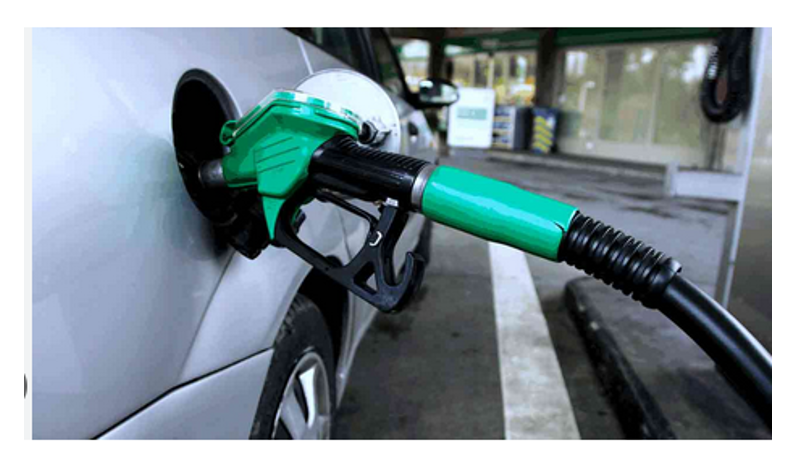
Residents of Anambra State are grappling with rising transportation costs as petrol prices climb sharply across the state, with pump prices reaching as high as ₦1,200 per litre in several locations.
The sudden increase in fuel prices has triggered a wave of fare hikes by commercial transport operators, affecting commuters travelling within cities and those moving between towns. Many residents say the rising cost of transportation is adding further strain to household budgets already stretched by inflation and the broader economic challenges in Nigeria.
Across major commercial centres such as Onitsha, Awka, Nnewi and Ekwulobia, reports indicate that numerous filling stations have either shut their gates temporarily or are dispensing petrol sparingly. The few stations selling fuel are offering it at prices ranging from ₦1,100 to ₦1,200 per litre, forcing transport operators to adjust fares to cover operating costs.
The impact has been immediate. In many urban routes, fares that previously ranged around ₦200 have increased to roughly ₦300, while trips that once cost ₦500 are now about ₦700 or more. For longer routes, the increase has been even steeper.
At the busy Upper Iweka Motor Park in Onitsha, passengers travelling to Awka now reportedly pay close to ₦2,000, a significant jump from the earlier fare of ₦1,000 to ₦1,500. Similarly, commuters moving between communities around Ekwulobia, including routes linking towns such as Igboukwu and Nkpor, say fares have doubled in some cases, rising to about ₦4,000 from around ₦2,000.
Commercial drivers say the fare increases are unavoidable as the cost of fuel continues to fluctuate. According to some transport operators, petrol prices had already risen earlier in the week from about ₦860 to around ₦960 per litre before climbing further in some areas.
Industry observers link the spike to supply challenges and shifting market dynamics within Nigeria’s deregulated petroleum sector, where marketers adjust pump prices based on supply costs and exchange rate pressures. The fluctuations have become more frequent since the removal of fuel subsidies and the transition to a market-driven pricing system.
Beyond transportation, the effects are being felt across the local economy. Traders say higher transport costs are gradually pushing up the prices of goods, while households that rely on petrol-powered generators are also spending more to cope with irregular electricity supply.
For many commuters and small business owners in Anambra, the hope is that improved fuel distribution and price stability will soon ease the mounting pressure caused by rising petrol prices