Nigeria Turns to the Gulf as Global Capital Tightens
Atume Terfa
With investors worldwide growing more cautious, Nigeria is recalibrating its investment strategy—setting its sights firmly on the Gulf as a key source of long-term capital to drive growth and economic transformation.
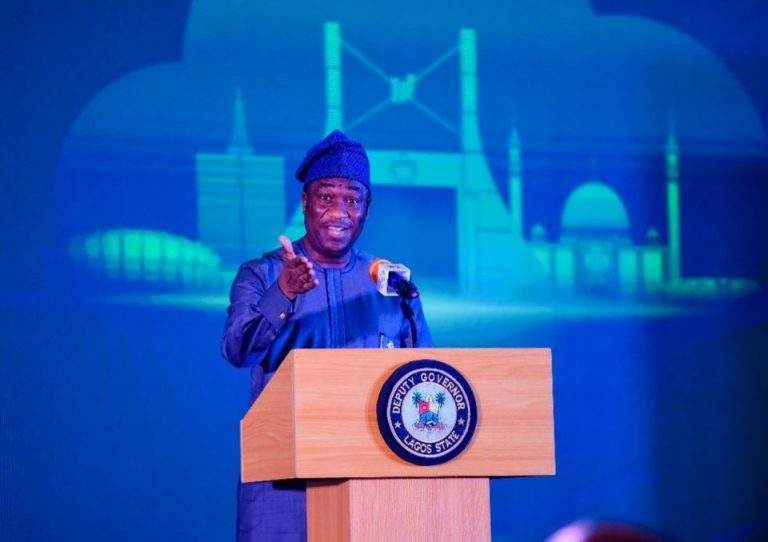
That push took centre stage in Lagos with the hosting of Investopia Africa, the first African edition of the UAE-backed investment platform. Senior government officials used the forum to pitch Nigeria as a prime destination for Gulf investors, highlighting the country’s vast population, infrastructure gap, and reform momentum as compelling reasons to invest now.
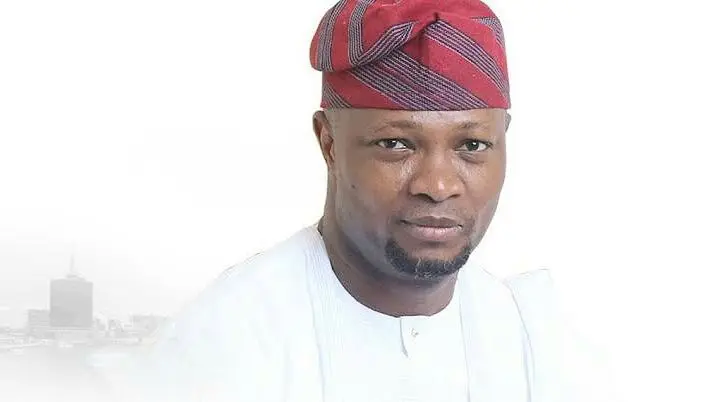
Leading the charge, Minister of Industry, Trade and Investment Dr. Jumoke Oduwole made a blunt case for foreign capital, telling investors that Nigeria’s ambitions cannot be funded by rhetoric alone. She described the Gulf region as a natural and strategic partner in Nigeria’s development journey, particularly as global funds become more selective.
Interest from Gulf investors focused on sectors capable of absorbing large-scale, patient capital, including energy, transport infrastructure, agriculture, technology and critical minerals. Organisers of the forum noted that Nigeria’s size and long-term growth outlook align with what global investors are increasingly seeking in an uncertain geopolitical climate.
The scale of Nigeria’s pitch was underscored by signals from Gulf officials, with the UAE’s Minister of Investment pointing to more than $10 billion in potential opportunities across logistics, real estate, financial services and major infrastructure projects. Such inflows, officials argue, could play a pivotal role in reshaping Nigeria’s economic landscape.
A central selling point is Nigeria’s position within the African Continental Free Trade Area (AfCFTA), offering investors access to a vast regional market beyond its borders. Oduwole stressed that recent reforms aimed at improving transparency, strengthening legal protections and reducing investment risk are steadily improving Nigeria’s appeal.
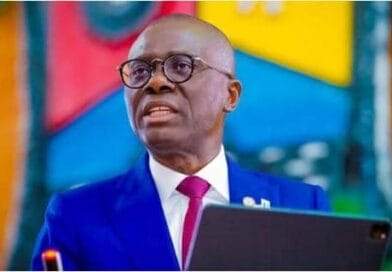
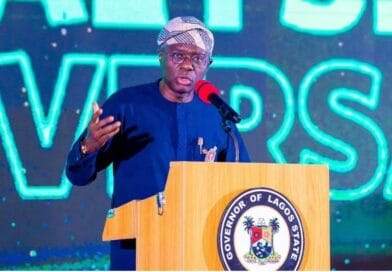
Subnational leaders echoed that message. Lagos State Governor Babajide Sanwo-Olu highlighted initiatives such as the proposed Lagos International Financial Centre, which he said would deepen capital markets and make it easier for foreign investors to operate locally.
Nigeria’s renewed courtship of Gulf capital comes as global investors pull back amid geopolitical tensions and shifting monetary policies. In this climate, capital is flowing only to markets with credible reforms and long-term fundamentals—criteria Nigeria believes it increasingly meets, helped by foreign exchange reforms and broader policy adjustments.
Recent rebounds in foreign portfolio inflows and improving market sentiment suggest that confidence is gradually returning, even as competition for capital intensifies.
With further engagements planned, including Investopia’s main gathering in Abu Dhabi later this year, Nigeria is signalling that its goal goes beyond headlines, seeking durable partnerships that convert interest into concrete investments and measurable economic impact.