Nigeria Emerges Power Hub in Africa’s Single Currency Drive
Atume Terfa
Nigeria has stepped decisively into the spotlight of Africa’s financial future, securing a commanding role in the continent’s long-envisioned journey toward a unified currency system.
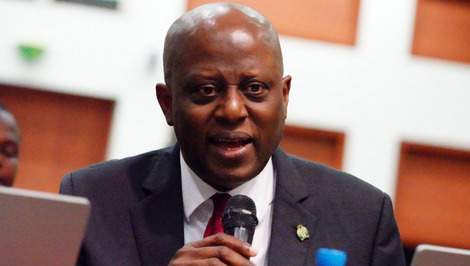
The Governor of the Central Bank of Nigeria, Olayemi Cardoso, announced that Nigeria has been granted permanent membership on the Board of the African Monetary Institute (AMI)—a pivotal institution tasked with laying the structural and policy foundation for the proposed African Central Bank (ACB).
The landmark decision, endorsed by the African Union (AU) at its 39th Ordinary Session in Addis Ababa, effectively positions Nigeria at the core of shaping Africa’s monetary architecture. For Cardoso, the development marks more than diplomatic recognition—it signals Nigeria’s elevation to a strategic command post in Africa’s financial integration agenda.
The African Monetary Institute is expected to be headquartered in Abuja, reinforcing Nigeria’s growing influence in continental economic governance. With a permanent seat on the AMI Board during its transitional phase, Nigeria will play a decisive role in policy coordination, regulatory framework design, and the eventual rollout of the African Central Bank.
According to Cardoso, the achievement is the product of deliberate technical groundwork. The CBN spearheaded the drafting of the AMI statute and worked closely with key ministries—including finance, foreign affairs, and justice, to secure institutional readiness. Nigeria also moved swiftly to provide temporary facilities to accelerate the institute’s takeoff.
The CBN Governor stressed that Nigeria’s strengthened domestic monetary reforms have bolstered its continental credibility. From tighter monetary stability measures and enhanced banking supervision to payment system modernisation and more disciplined reserve management, the reforms have reinforced confidence in Nigeria’s financial stewardship.
Cardoso acknowledged the backing of Bola Ahmed Tinubu and Kashim Shettima, describing the milestone as a collective national and continental victory—one that advances Africa’s quest for monetary sovereignty and economic self-determination.
With the African Union Commission, the Association of African Central Banks, and member states aligning around a shared financial future, Nigeria now stands at the strategic centre of Africa’s single currency ambition.
As the continent moves closer to building its own central banking authority, Abuja is no longer just participating; it is helping to design the blueprint.