
Naira Rebounds After 13 Years on CBN Reforms

After more than a decade of relentless pressure, Nigeria’s currency staged a dramatic comeback in 2025, recording its first annual appreciation since 2012.
The naira gained nearly seven per cent against the United States dollar over the year, marking a symbolic and economic turning point after years of volatility, widening exchange-rate gaps and declining investor confidence.
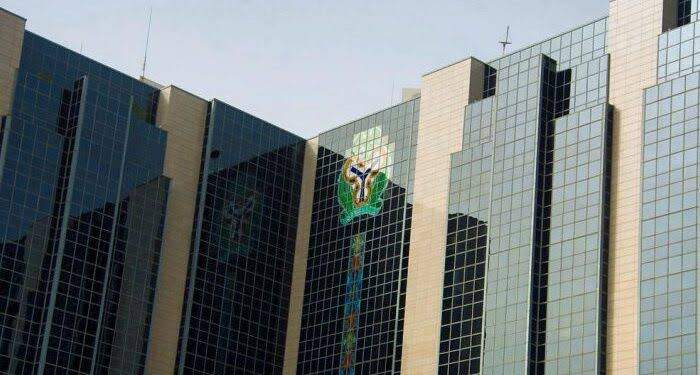
Analysts attribute the rebound to sweeping reforms introduced by the Central Bank of Nigeria (CBN) under Governor Olayemi Cardoso. At the heart of the strategy was a decisive move toward exchange-rate unification and market transparency. The introduction of the Electronic Foreign Exchange Matching System improved price discovery and reduced speculative distortions, while the Nigerian Foreign Exchange Code strengthened governance standards and aligned domestic FX operations with global best practices.
The impact was visible in the numbers. The naira, which traded above ₦1,500 to the dollar at the start of the year in the official window, appreciated steadily toward the ₦1,400 range by year-end. More importantly, the once-yawning gap between official and parallel market rates narrowed significantly, easing arbitrage opportunities and restoring a measure of credibility to the FX framework.

External buffers also strengthened. Higher crude oil receipts, improved diaspora remittances and renewed foreign portfolio inflows boosted foreign-exchange liquidity. Nigeria’s external reserves climbed sharply during the year, reinforcing the CBN’s capacity to intervene when necessary and reassuring investors about the country’s ability to meet external obligations.
The currency’s recovery also offered modest relief on imported inflation, particularly for goods heavily dependent on foreign inputs. While inflationary pressures remain elevated, improved FX stability has begun tempering cost volatility in key sectors.
Still, economists warn that sustaining the momentum will require discipline. Inflation management, consistent liquidity supply, fiscal coordination and global commodity price trends will all shape the naira’s trajectory in 2026. Yet, after 13 years without an annual gain, 2025 stands out as proof that targeted structural reforms and policy clarity can restore confidence in Nigeria’s most closely watched economic indicator.