
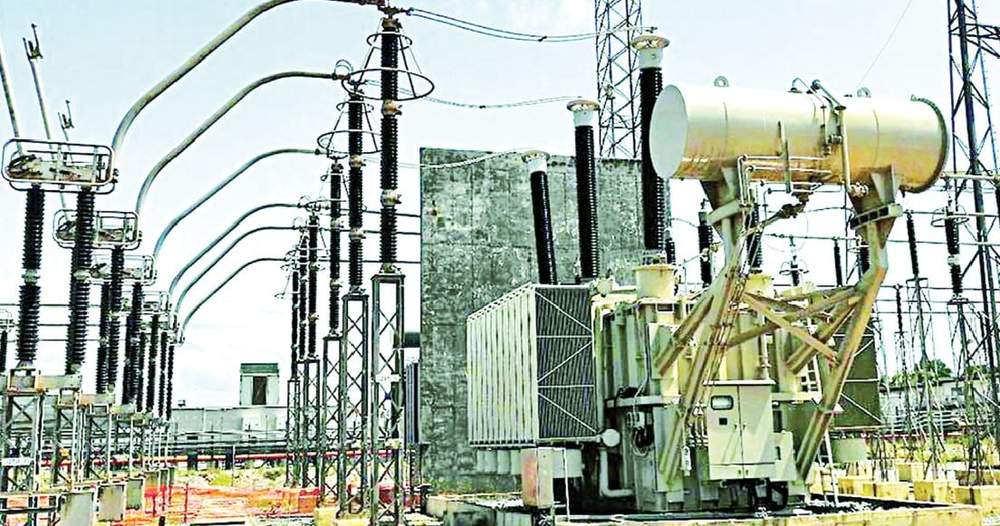
Ikeja Electric Blames Power Outages on Generation Drop

The Ikeja Electric has linked recent power outages experienced across parts of Lagos to a decline in electricity generation across the national grid, noting that reduced output from power plants has directly affected supply to distribution companies.
In a clarification to customers, the utility explained that the interruptions are not isolated to its network but are a consequence of broader challenges within Nigeria’s electricity value chain. With generation levels dropping, the volume of power allocated to discos has also been constrained, resulting in load shedding in several service areas.
Reports within the power sector point to recurring issues such as limited gas supply to thermal plants, maintenance downtime, and transmission bottlenecks as key factors behind fluctuating generation. These constraints have contributed to instability in grid supply, affecting the ability of distribution companies to meet consumer demand consistently.
Ikeja Electric emphasised that it does not control generation or transmission, as electricity is supplied through the national grid overseen by the Transmission Company of Nigeria. When generation falls, available power must be rationed among discos, often leading to intermittent supply.

Customers within Ikeja Electric’s franchise areas—including Ikeja, Oshodi, Ikorodu, and surrounding communities- have reported inconsistent electricity supply in recent days, prompting concerns from households and businesses relying on steady power for daily operations.
The company assured consumers that it is coordinating with relevant stakeholders in the sector to manage allocations and improve supply stability where possible. It also noted that power restoration and distribution adjustments are ongoing as grid conditions evolve.
Nigeria’s electricity sector continues to face structural hurdles, including insufficient generation capacity, ageing infrastructure, and funding limitations. Despite ongoing reforms, supply deficits persist, leaving many consumers dependent on backup generators and alternative energy sources.
Stakeholders in the industry maintain that addressing these challenges will require sustained investment in gas supply, expansion of generation capacity, and upgrades to transmission networks to ensure a more reliable and efficient national grid.