FG Unveils Ambitious Plan to Revive Factories and Boost BoI
Atume Terfa
The Federal Government of Nigeria has unveiled a sweeping industrial policy aimed at reviving dormant factories, stimulating local manufacturing, and accelerating economic growth — with a major recapitalisation of the Bank of Industry (BoI) at its core.
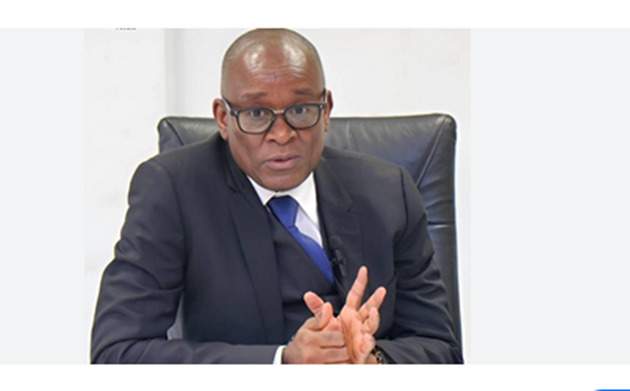
Revealed by Senator John Owan Enoh, Minister of State for Industry, Trade and Investment, the strategy forms a key part of President Bola Tinubu’s Renewed Hope agenda, seeking to reduce reliance on imports, boost domestic production, and position Nigeria as a competitive industrial powerhouse.
Government officials say the plan targets idle factories — many of which once thrived before faltering — and introduces clear timelines and accountability measures to ensure meaningful progress.
At the heart of the policy is a significant recapitalisation of the Bank of Industry, Nigeria’s flagship development finance institution. The plan aims to increase BoI’s capital base and intervention funds to ₦3 trillion, unlocking affordable financing for manufacturers, small businesses, and emerging industrial sectors.
The BoI has already played a transformative role, disbursing over ₦1.2 trillion across 14 sectors in 2024 and supporting roughly 900,000 jobs, proving its pivotal role in sustaining Nigeria’s industrial workforce.
The policy also emphasises local content enforcement, reducing dependency on imported raw materials, and developing industrial clusters with shared infrastructure, measures designed to lower production costs and increase competitiveness.
Officials aim for annual industrial development spending of 3–5 % of GDP and stress the importance of private-sector partnerships to attract investment, transfer technology, and create new employment opportunities.
To address Nigeria’s skills gap, the government plans to expand vocational training and strengthen collaborations with technical institutions, ensuring the workforce is equipped to meet modern industrial demands.
Experts warn that past industrialisation efforts often failed due to poor execution and weak oversight — gaps the new policy seeks to close through structured implementation frameworks and rigorous performance tracking.
While challenges remain — including energy shortages and limited access to long-term capital — policymakers are optimistic that the strategy could mark a turning point, reigniting Nigeria’s manufacturing sector and driving sustainable economic growth.
This bold industrial push signals a renewed commitment to transforming Nigeria into a vibrant, self-sufficient industrial hub, with factories humming and the Bank of Industry playing a central role in fuelling the country’s economic ambitions.