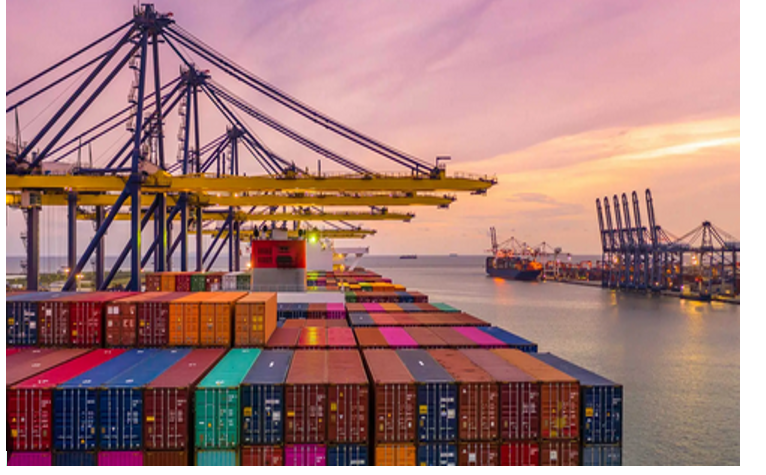
FG Seals £746m UK Deal to Transform Lagos Ports
Nigeria is charting a bold new course for its maritime sector following a £746 million financing deal with the United Kingdom, a move set to breathe new life into the nation’s busiest seaports and redefine trade efficiency.
The agreement, supported by UK Export Finance, will drive the large-scale upgrade of the Lagos Port Complex in Apapa and the Tin Can Island Port, two strategic hubs in Lagos that serve as the backbone of the country’s import and export activities.
Announcing the initiative, Nigeria’s Minister of Marine and Blue Economy, Adegboyega Oyetola, described the project as a long-overdue transformation that could reset the nation’s maritime trajectory after decades of stagnation.
For years, both ports have battled crippling congestion, outdated infrastructure, and cumbersome manual systems, challenges that have inflated logistics costs and pushed cargo traffic toward more efficient regional ports. This new investment aims to reverse that narrative by introducing a modern, technology-driven port system.
Under the plan, the ports will be fitted with state-of-the-art cargo handling equipment, expanded operational capacity, and digital platforms to streamline processes. The expected outcome is faster vessel turnaround times, reduced bottlenecks, and a more transparent, cost-effective trading environment for businesses.
The deal also signals stronger economic collaboration between Nigeria and the UK, coming alongside diplomatic engagements involving President Bola Ahmed Tinubu. Analysts see it as a strategic partnership that extends beyond infrastructure into long-term economic cooperation.
At its core, the project is part of Nigeria’s broader ambition to unlock the vast potential of its marine and blue economy, positioning the country as a dominant maritime hub across West and Central Africa.
As implementation begins, attention now turns to delivery. If successfully executed, the initiative could mark a turning point, transforming Lagos ports into efficient, globally competitive gateways and reshaping Nigeria’s trade landscape for years to come.