
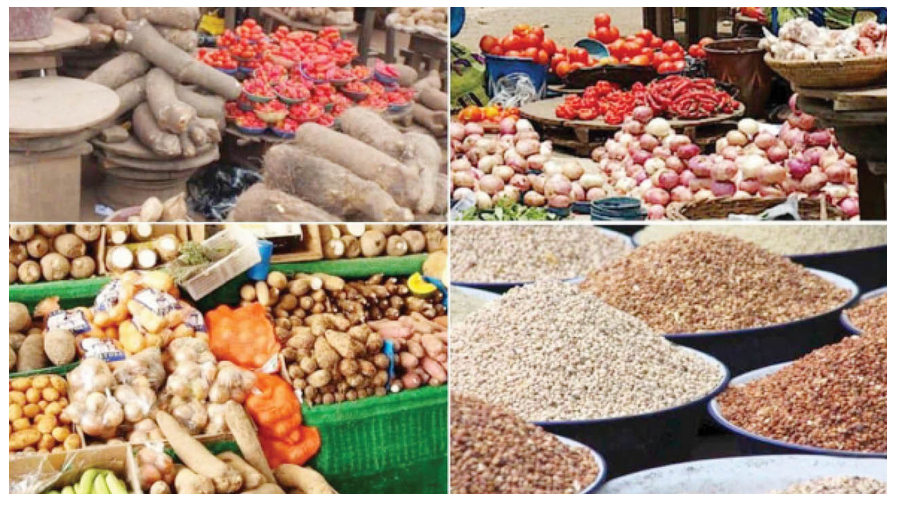
Energy Surge Fuels Fresh Spike in Global Food Prices
Global food markets are once again under pressure as rising energy costs send shockwaves through supply chains, driving up the price of essential commodities across the world.
Recent figures from the Food and Agriculture Organisation reveal a renewed uptick in its Food Price Index, reversing earlier declines and pointing to mounting strain in the global food system. Staples such as cereals, vegetable oils, and sugar are leading the surge, reflecting the growing cost burden across agricultural production.
At the centre of the spike is a sharp increase in energy prices, largely influenced by geopolitical tensions, particularly in the Middle East. As oil and gas prices climb, the impact is being felt across every stage of the food value chain, from mechanised farming and irrigation to fertiliser production and international shipping.
In March alone, global food prices rose by about 2.4 per cent, marking the second consecutive monthly increase. Commodity markets have responded swiftly, with notable price jumps in wheat, vegetable oils, and sugar amid tightening supply and rising input costs.
Fertiliser remains one of the most critical pressure points. Heavily reliant on natural gas, its production costs have surged alongside energy prices, forcing some farmers to cut back on usage or scale down planting. This, in turn, raises concerns about future harvests and the potential for further supply constraints.
Logistics is also feeling the heat. Higher fuel costs have significantly increased the expense of transporting food across regions, while disruptions along key trade routes have compounded delays and added to global price volatility.
Analysts warn that if instability in energy markets persists, food prices could remain elevated—or climb even higher—through the first half of 2026. The consequences are expected to be most severe in developing economies, where food accounts for a substantial share of household spending.
Despite relatively stable global production levels, the combined effects of energy volatility, climate pressures, and geopolitical uncertainty continue to reshape the outlook for food prices. Experts say that easing tensions in energy markets will be critical to stabilising food costs and preventing further inflationary spikes.
Ultimately, the trend highlights a growing reality: the world’s food and energy systems are deeply intertwined, and disruptions in one can quickly cascade into the other—placing economies and livelihoods at risk on a global scale