
Nigeria Breaks Tomato Curse After 12 Years of Shortages
Atume Terfa
After more than a decade of painful price spikes and recurring shortages, Nigeria’s tomato market delivered a surprise in 2025. For the first time since the early 2010s, consumers, farmers and food processors were spared the annual tomato crisis that had become an unwelcome tradition, signalling a possible turning point for one of the country’s most troubled agricultural value chains.
For years, tomatoes symbolised everything that could go wrong in Nigeria’s food system. Seasonal scarcity, crippling post-harvest losses and fragile logistics combined with recurring pest invasions to send prices soaring. At the centre of the problem was Tuta absoluta — the destructive tomato leaf miner infamously nicknamed “Tomato Ebola” — which could wipe out entire farms within days. Each outbreak pushed prices to extremes and forced the country to rely heavily on imports from neighbouring nations to fill domestic gaps.
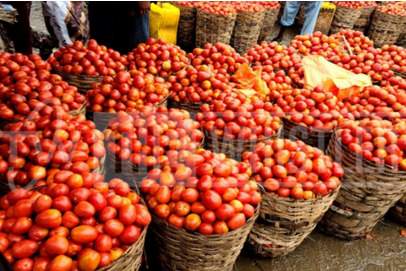
In 2025, however, the script changed. Despite familiar challenges such as pests and erratic weather, tomato prices remained relatively steady throughout the year. In Lagos, where price swings are often most dramatic, the cost of a large basket of fresh tomatoes rose only moderately — from about ₦35,000 at the start of the year to roughly ₦43,000 by December. Compared with previous years, when prices often doubled or tripled during lean periods, the stability was striking.
Analysts say the calmer market reflects years of quiet but consistent work across the sector, finally paying off. Government-backed intervention programmes and private-sector partnerships have improved farmers’ access to high-yield seeds, modern farming practices and basic pest control. Extension services have expanded, while new players entering the space have helped lift overall output. Notably, increased production in the South-West eased the long-standing dependence on tomatoes transported from the North, reducing supply disruptions and transportation losses.
Yet the breakthrough remains fragile. Nigeria is still one of Africa’s largest tomato producers, harvesting millions of tonnes annually, but nearly 45 per cent of that output is lost to poor storage, weak processing capacity and inefficient supply chains. These structural gaps have kept the country paradoxically dependent on imported tomato paste, even during periods of local abundance. In some farming communities, bumper harvests continue to translate into gluts rather than profit, as farmers lack affordable processing options to preserve excess supply.
Even so, the 2025 experience has injected cautious optimism into the industry. Agricultural stakeholders say the avoidance of the usual price shock shows what is possible when interventions align across the value chain. If investments in storage, processing and logistics keep pace with gains in production, Nigeria’s tomato sector may finally be on track to shed its 12-year scarcity curse and move toward a more stable, resilient future.