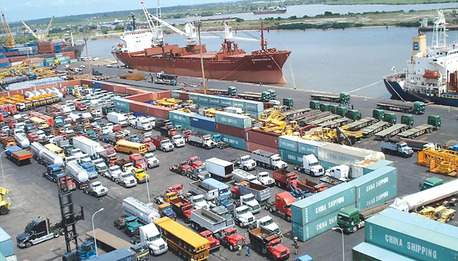
18 Ships Offload Fuel as More Arrive at Lagos Ports
Atume Terfa
Nigeria’s maritime corridor is humming with renewed intensity as 18 vessels berth across Lagos ports, discharging petroleum products and a wide range of essential cargo in one of the busiest shipping cycles seen this quarter.
According to the Nigerian Ports Authority, the vessels are currently unloading at the strategic hubs of Apapa Port, Tin Can Island Port, and Lekki Deep Sea Port, reinforcing Lagos’ status as the nerve centre of Nigeria’s import and distribution network.
The incoming cargo reflects the breadth of Nigeria’s supply chain needs. From refined petrol and diesel to fertiliser, sugar, urea, condensate, gypsum and containerised goods, the ports are handling commodities vital to energy supply, agriculture, manufacturing and retail trade.
But the traffic surge is far from over. The latest shipping position report indicates that 46 additional vessels are scheduled to arrive before February 22, 2026. These ships are expected to deliver crude oil, refined petroleum products, bulk wheat, trucks, bulk gas, salt, containers and other general merchandise — a development that could further intensify operational activity across terminals.
Adding to the momentum, seven vessels have already anchored offshore and are awaiting berthing clearance. Their cargo — including aviation fuel, diesel, petrol, bulk urea and general goods — signals sustained throughput levels and continued demand across multiple sectors of the economy.
The steady stream of arrivals mirrors patterns observed earlier in the year, when Lagos ports received dozens of ships laden with petroleum products to stabilise domestic supply and replenish reserves.
Industry observers say the regular shipping updates issued by the NPA remain crucial for manufacturers, importers and logistics operators, offering visibility that enables smoother cargo handling, inventory planning and inland distribution.
With berths filling and more vessels lining up offshore, Lagos’ ports continue to serve as the beating heart of Nigeria’s trade and energy lifelines.