150m Setback Sparks Protest in Eleko, Ibeju-Lekki
Atume Terfa
Tension is rising along the corridor of the ambitious Lagos-Calabar Coastal Highway as residents of Eleko and parts of Ibeju-Lekki push back against a proposed 150-metre setback that could trigger fresh demolitions.
For families living along the expanding coastal route, the directive is more than a planning adjustment — it is a looming threat to homes, ancestral lands, and investments built over decades. Community members say new markings have appeared on several buildings, indicating properties that fall within 150 metres on either side of the highway alignment. If enforced, they warn, entire neighbourhoods could be wiped out.
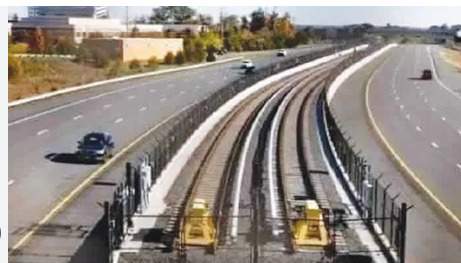
The 750-kilometre superhighway, designed to link Lagos to Calabar in Cross River State, is one of Nigeria’s most ambitious infrastructure projects in decades. Government officials describe it as a transformative artery expected to unlock coastal tourism, boost trade, and enhance regional connectivity. The first stretch — from Ahmadu Bello Way to Eleko Village — has already been temporarily opened to traffic, even as work progresses on other sections.
But in the Ibeju-Lekki axis, optimism about economic growth is colliding with anxiety. Residents say earlier phases of the project already displaced some households, and they had been assured that realignments would minimise further losses. The proposed setback, they argue, contradicts those assurances.
“We are not fighting development,” one community member said. “We are only asking for fairness and a chance to remain in our homes.”
Traditional leaders and community representatives have now formed committees to engage both federal and state authorities, seeking dialogue and possible waivers. They insist many affected structures were legally built and properly documented, adding that abrupt changes in setback policy undermine trust and destabilise property investments in the fast-growing Lekki corridor.
The controversy echoes previous tensions in coastal communities such as Okun-Ajah, where legal disputes over land encroachment surfaced earlier in the project’s rollout. Urban development analysts warn that while large-scale infrastructure is vital for national growth, inconsistent regulations and sudden policy shifts can shake investor confidence and inflame local resistance.
As construction continues, the standoff in Eleko and Ibeju-Lekki highlights a delicate balancing act: advancing national infrastructure goals while safeguarding the rights, homes, and livelihoods of the communities that stand in the project’s path.